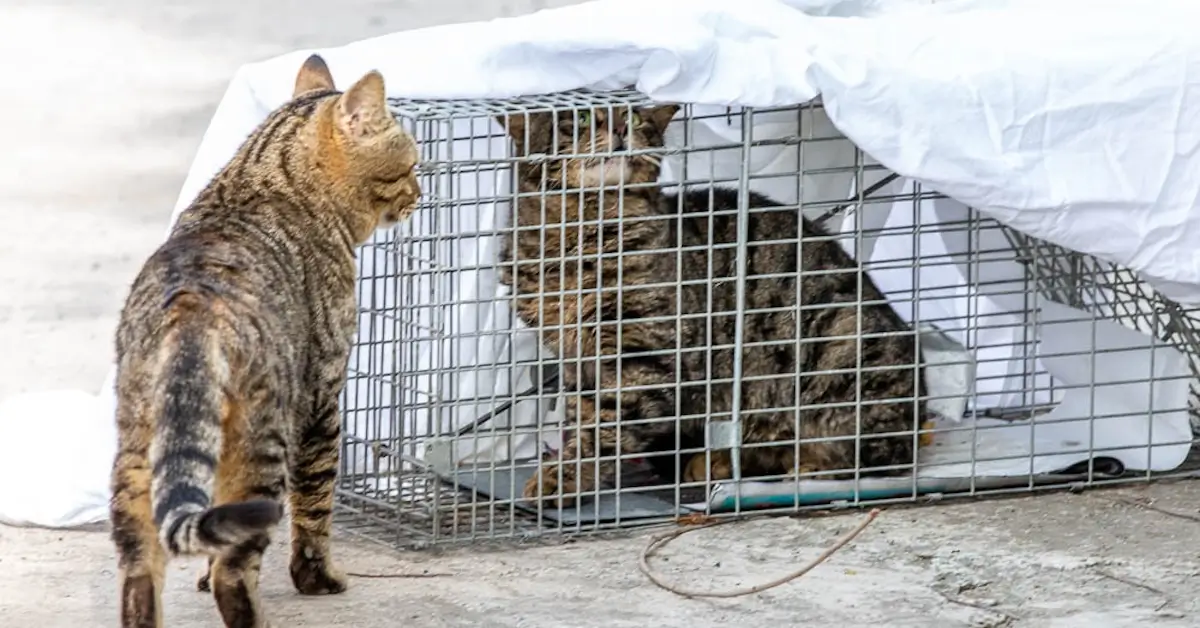
If you’re seeing more and more stray cats in your street or condo area, it can feel overwhelming—especially when kittens keep appearing. TNVR (Trap-Neuter-Vaccinate-Return) is a humane way to stop the cycle without “clearing out” cats and making the problem come back.
This guide explains what TNVR is and gives you a practical, beginner-friendly way to start a small TNVR project in your own community.
What is TNVR?
TNVR stands for Trap–Neuter–Vaccinate–Return.
It means you humanely trap community cats, bring them to a licensed veterinarian for kapon (spay/neuter) and vaccination, then return them to the same area after they recover.
Most TNVR programs also do ear-tipping (a small, safe trim on the tip of one ear while the cat is under anesthesia). This helps everyone quickly see that a cat is already fixed, so you don’t waste funds trapping the same cat again.
Why use TNVR instead of “removing” cats?
TNVR works with how community cats live.
When cats are removed, new cats often move in because the area still has food, shelter, and hiding spots. TNVR aims to stabilize the colony so there are no new litters, and the existing cats tend to become calmer over time.
Many communities also notice fewer “nuisance” behaviors (like loud mating fights and spraying) after most cats are kapon.
What do you need before you start?
Start small and focus on setting yourself up for success.
You’ll need (1) permission, (2) a basic plan, and (3) a vet partner.
It also helps to have at least one other person with you on trapping day, so you can move safely and keep cats calm.
How do you start TNVR in your community?
Step 1: Identify the cats and map your “colony”
A “colony” is simply a group of cats living in the same area and sharing resources.
Spend a few days observing:
- Where the cats usually appear
- Rough headcount (and how many look like kittens)
- Who seems friendly vs. fearful
- Who is already ear-tipped (if any)
Take quick notes on your phone. This becomes your working list.
Finish by deciding your first goal, like: “Kapon and vaccinate the 5 adult cats behind Building B.”
Step 2: Talk to the people who control the space
Before you trap, get approval from whoever manages the area—this might be:
- Your barangay or HOA officers
- Condo admin/property management
- A store owner or caretaker where the cats stay
Keep it calm and practical: you’re not “bringing in cats.” You’re preventing more kittens and improving community safety.
It also helps to ask if anyone already feeds the cats, because TNVR is much easier when feeding is organized.
Step 3: Partner with a vet or TNVR-friendly group
TNVR needs a licensed veterinarian to do surgery and vaccinations.
If you can, ask the clinic or group:
- What vaccines are included (rabies is commonly prioritized)
- Whether ear-tipping is included
- Their schedule and intake rules for community cats
- What recovery time they require before release
If you’re new, ask if they can guide you on safe trapping basics and pre-op preparation.
Step 4: Set a simple feeding schedule
A feeding schedule makes trapping easier and reduces stress for the cats.
Choose one feeding spot and a regular time (for example, early evening). Keep food bowls tidy, and remove leftovers after a short window to avoid attracting pests.
A consistent routine helps cats show up reliably, so you can trap efficiently and avoid repeated attempts.
Step 5: Prepare traps and plan the trapping day
Use humane box traps (not snares, glue boards, or harmful devices). If you don’t own traps, you may be able to borrow or rent from rescuers or groups.
Plan the basics:
- What day you’ll trap
- Where you’ll place traps
- Who will transport cats
- Where cats will recover safely (quiet, shaded, protected from rain)
On trapping day, keep things quiet and move calmly. Covering a trapped cat with a cloth or trap cover often helps them settle down faster.
End this step by planning for the unexpected—like catching a friendly cat, a nursing mom, or someone’s pet.
Step 6: Vet care, then recovery
Once trapped, cats should go to the vet as soon as the clinic allows.
After kapon and vaccination, cats usually need a short recovery period in a safe, secure space. Recovery needs vary by cat, sex, and clinic protocols, so follow your vet’s instructions closely.
During recovery, watch for signs that need vet advice, such as persistent bleeding, extreme weakness, or trouble breathing.
Step 7: Return the cats to the same area—and keep supporting the colony
Returning cats to the same location matters because it’s their territory and they know where to find shelter and avoid danger.
After return, continue:
- A consistent feeding routine
- Clean feeding practices
- Monitoring for new cats that appear
- Repeat TNVR until most cats in the area are fixed
TNVR is rarely a one-time event. The “win” is when you reach a stable, mostly ear-tipped colony and kitten season slows down.
What if you catch friendly cats or kittens?
This is common, and it’s a good opportunity.
If a cat is clearly social, approachable, or looks lost, they may be:
- An owned cat allowed to roam
- A recently abandoned pet
- A friendly stray that can be adopted
If it’s safe, take clear photos and ask nearby residents or building staff if anyone recognizes the cat. If your community has a group chat, that can help too.
For kittens, the best next step depends on their age and whether their mother is nearby. If you suspect you trapped a nursing mother, contact your vet or a local rescue for guidance right away, because timing matters for both mom and kittens.
When adoption is possible, it can reduce the number of cats outdoors faster than TNVR alone.
What problems do beginners run into, and how do you avoid them?
Most TNVR challenges are people-and-planning problems, not “cat problems.”
Here are common issues:
- Not enough permission or support: Talk to the decision-makers early and explain the goal clearly.
- Trapping the same cat twice: Ear-tipping and good record-keeping prevent this.
- Feeding is scattered: A single feeding schedule makes TNVR easier and reduces complaints.
- Volunteer burnout: Start with a realistic number of cats for your first round.
- Costs adding up: Fundraising works better when you can show a clear plan and progress.
The calmer and more organized you are, the smoother TNVR goes—for you and for the cats.
How much does TNVR cost in the Philippines?
Costs vary widely by clinic, city, and what’s included (kapon, vaccines, ear-tipping, confinement, and any extra care).
As a rough expectation, TNVR is usually priced per cat, and total costs can range from a few hundred to a few thousand pesos per cat depending on services, sex, and location.
If you’re working with a tight budget, you can still make progress by starting with the cats most likely to reproduce soon and building support over time.
Conclusion
TNVR is a humane, practical way to help community cats without creating a cycle of endless kittens. The basics are simple: trap humanely, kapon and vaccinate with a licensed vet, allow safe recovery, then return cats to their territory—and keep monitoring so new cats don’t restart the problem.
If you want to make the biggest long-term impact, prioritize kapon, work with your community, and stay consistent with feeding and follow-up. For a deeper look at why kapon matters and how to plan it responsibly, read Spay and Neuter in the Philippines.
References
- Looney, A. L., Bohling, M. W., Bushby, P. A., Howe, L. M., Griffin, B., Levy, J. K., Eddlestone, S. M., Weedon, J. R., Appel, L. D., Rigdon-Brestle, Y. K., Ferguson, N. J., Sweeney, D. J., Tyson, K. A., Voors, A. H., White, S. C., Wilford, C. L., Farrell, K. A., Jefferson, E. P., Moyer, M. R., Newbury, S. P., Saxton, M. A., & Scarlett, J. M. (2008). The Association of Shelter Veterinarians veterinary medical care guidelines for spay-neuter programs. Journal of the American Veterinary Medical Association, 233(1), 74-86. https://doi.org/10.2460/javma.233.1.74
- Alley Cat Allies. (n.d.). The Vacuum Effect. https://www.alleycat.org/resources/the-vacuum-effect-why-catch-and-kill-doesnt-work/
- Ordinario, M. S. G. (n.d.). Philippine National Rabies Prevention and Control Program: An Overview. Department of Agriculture – Animal Health and Welfare Division. https://rr-asia.woah.org/app/uploads/2023/10/005_philippine-national-rabies-prevention-and-control-program-asean-woah-webinar.pdf
- Animal Humane Society (AHS). (n.d.). Spay/neuter post-surgical care and recovery instructions. https://www.animalhumanesociety.org/resource/spayneuter-post-surgical-care-and-recovery-instructions
- Alley Cat Allies. (n.d.). Relocation: A Last Resort. https://www.alleycat.org/community-cat-care/relocation-the-last-resort/