If you’re a cat parent in the Philippines, it’s normal to wonder: “Should I have my cat fixed?” The short answer is: for many pet cats, spaying or neutering is a humane, responsible step—and it often makes life easier for both you and your cat.
This guide walks you through what it means, when to do it, how to start, what it may cost, and what recovery usually looks like.
Should you spay or neuter your cat?
For many cats, yes—spaying or neutering is strongly worth considering, especially if your cat is an indoor-outdoor cat, has access to other cats, or you’re caring for more than one cat at home.

It helps prevent accidental litters, which is a big deal in cities where shelters and rescuers are already overwhelmed. It may also reduce certain health risks and roaming-related accidents.
The best first step is simple: talk to a licensed veterinarian about timing and safety for your specific cat (age, weight, health history, and lifestyle all matter).
What does “spay” and “neuter” mean?
Spay and neuter are surgeries that prevent cats from reproducing. In the Philippines, many people also call it “kapon.”
- Spay is for female cats. A vet removes the ovaries (and usually the uterus).
- Neuter is for male cats. A vet removes the testicles.
These procedures are done under anesthesia by a veterinarian.
Why do many vets recommend spaying or neutering?
Spaying and neutering can help in a few practical, welfare-focused ways.

a. Fewer unwanted kittens.
Preventing litters reduces the chance of kittens being abandoned, getting sick on the street, or ending up in overcrowded shelters.
b. Less roaming and fighting for many cats.
Some neutered male cats are less likely to wander far, get into fights, or come home injured.
c. Fewer heat-related behaviors for female cats.
Spaying stops heat cycles, which may mean less yowling, restlessness, and attempts to escape.
d. Less marking for some cats.
Neutering may reduce urine spraying in some males (though not all cats stop completely, especially if the habit is already established).
e. Possible health benefits.
Spaying and neutering may lower the risk of some reproductive-related diseases. Your vet can explain which benefits apply to your cat and when.
These aren’t “magic fixes,” and cats still need good daily care—safe housing, proper food, clean water, litter hygiene, and regular vet guidance. But for many households, kapon is one of the most meaningful steps you can take.
When is the right time to have your cat fixed?
Timing varies, so it helps to treat this as a vet decision—not a one-size-fits-all rule.
Many clinics commonly recommend spaying or neutering around the time a kitten is a few months old, often before sexual maturity. Your vet may consider your cat’s:
- age and body size
- overall health
- vaccination status and parasite control
- lifestyle (strictly indoor vs. indoor-outdoor)
- pregnancy risk (especially for female cats that can escape or meet roaming males)
If you adopted a cat and don’t know their exact age, a vet can estimate it and advise you on a safe plan.
If your cat is older or has a health condition, don’t panic. Many adult cats can still be fixed safely, but your vet may recommend additional checks first.
Are spaying and neutering safe?
For many healthy cats, spay and neuter are considered routine procedures. Still, no surgery is completely risk-free, especially because anesthesia is involved.
A reputable clinic will usually do a physical exam first and may recommend blood work for some cats (for example, older cats or cats with signs of illness). The goal is to lower risk and plan anesthesia more safely.
Choosing a licensed veterinarian and following pre-op and aftercare instructions closely makes a big difference. If something feels unclear, it’s okay to ask the clinic to explain the “why” behind their instructions.
How do you start in the Philippines?
If you’re feeling overwhelmed, you can break it down into small, doable steps.
Step 1: Find a vet clinic or kapon program near you.
You can start with a nearby private veterinary clinic, your city/municipal veterinary office (if available), or spay/neuter programs run by animal welfare groups and rescue networks.
Step 2: Ask the right questions before booking.
When you message or call, ask:
- What age/weight do you require?
- Do you require vaccines or deworming first?
- Do you recommend blood work for my cat’s age and condition?
- What fasting rules should I follow?
- What aftercare supplies do I need (e-collar, recovery suit, etc.)?
Step 3: Plan your budget.
Costs vary a lot depending on your location, your cat’s sex, whether blood work is recommended, and whether it’s a private clinic or a low-cost program.
In many places, low-cost kapon events may be a few hundred pesos, while private clinics may cost more. It’s normal for the total to change if your vet recommends lab tests or additional care. If you’re budgeting tightly, tell the clinic—many will be honest about what’s required versus optional for your situation.
Step 4: Book a schedule you can support.
The first days after surgery matter. Try to schedule when you can keep your cat indoors, quiet, and supervised.
Starting this process may feel like a lot, but once you’ve picked a clinic and a date, everything becomes clearer.
How do you prepare for surgery day?
Preparation is mostly about reducing stress and following clinic instructions.
Start with the basics:
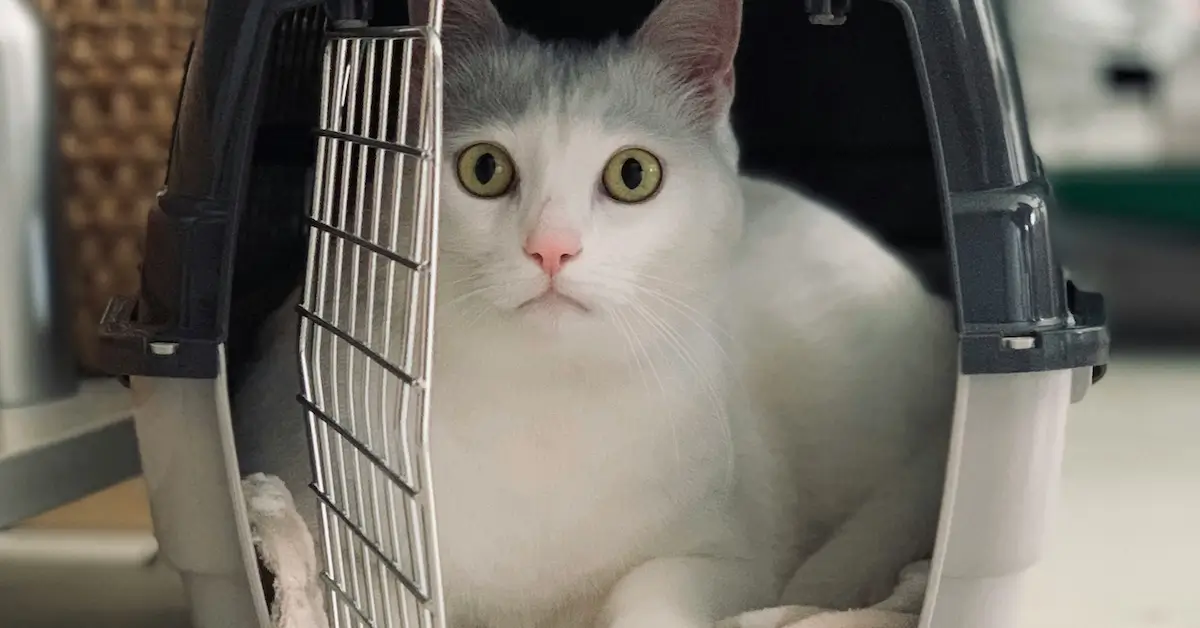
- Use a secure carrier. If your cat hates the carrier, practice short “carrier time” at home with treats and calm praise.
- Follow fasting instructions. Clinics often ask you to stop food the night before, but rules can differ. Follow your clinic’s exact instructions, including water guidelines.
- Keep your cat indoors before the appointment. This helps prevent last-minute escapes and reduces the chance of picking up infections or injuries.
- Bring what the clinic asks for. Some clinics request a pee pad, towel, or an extra cloth. It’s also helpful to bring your cat’s previous records if you have them.
A calm, predictable morning helps. Speak softly, avoid sudden changes, and give your cat time to settle in the carrier.
What does recovery look like and what should you watch for?
Most cats need a quiet recovery space, limited movement, and wound protection.
Here’s what many vets commonly recommend:
- Keep your cat indoors and resting. Limit running, climbing, and jumping for the period your vet advises.
- Prevent licking. Licking can reopen the incision or cause infection. Many cats need an e-collar or recovery suit.
- Monitor the incision daily. Mild swelling can happen, but it shouldn’t look like it’s getting worse day by day.
Call your vet promptly if you notice signs such as:
- bleeding that doesn’t stop
- a bad smell, pus, or worsening redness at the incision
- your cat seems very weak, won’t eat for an extended period, or keeps vomiting
- the incision opens
Healing time varies. Some cats bounce back quickly, while others take longer—especially after a spay (which is typically more invasive than a neuter). Your vet’s instructions should be your main guide.
What if you’re caring for a community cat?
If you’re feeding a community cat, kapon can be one of the kindest long-term steps you can take. It can reduce future litters and may lower mating-related fighting and roaming.
Community cat kapon often takes extra planning:
- You may need to borrow a trap or a secure carrier.
- You’ll need a safe, quiet space for short-term recovery.
- You may need help from a local rescuer or community group for scheduling and handling.
If you’re new to this, reaching out to local rescue networks can make the process much safer for you and the cat.
Conclusion
For many cats in the Philippines, spaying or neutering is a practical, humane choice that helps prevent accidental litters and may reduce roaming, fighting, and heat-related stress.
Start by choosing a reputable vet or kapon program, asking clear questions about requirements and costs, and planning for a calm recovery period at home.
If you’re caring for a community cat, getting them fixed can be a powerful way to reduce suffering over time—without judgment, and one step at a time.
Next, you may want to read about cat microchipping. Many cat owners and veterinarians opt to chip a cat while it is being spayed or neutered because the cat is already under general anesthesia and will not feel the minor discomfort of the microchip injection.
References
- Finkler, H., Gunther, I., & Terkel, J. (2011). Behavioral differences between urban feeding groups of neutered and sexually intact free-roaming cats following a trap-neuter-return procedure. Journal of the American Veterinary Medical Association, 238(9), 1141–1149. https://doi.org/10.2460/javma.238.9.1141
- American Society for the Prevention of Cruelty to Animals (ASPCA). (n.d.). Meowing and Yowling. https://www.aspca.org/pet-care/cat-care/common-cat-behavior-issues/meowing-and-yowling
- Memon, M. A. (2024). Reproductive Disorders of Female Cats. https://www.msdvetmanual.com/cat-owners/reproductive-disorders-of-cats/reproductive-disorders-of-female-cats