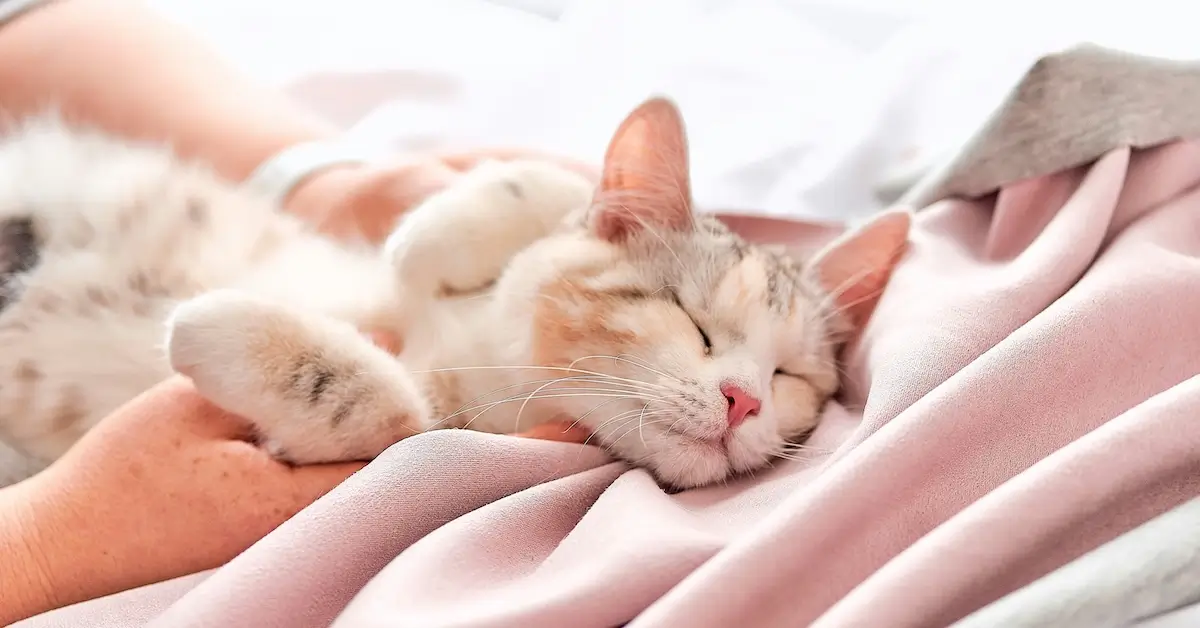
If you want a cat companion, adoption is usually the most humane place to start—especially in the Philippines, where many cats are already homeless or being cared for by rescuers and community feeders.
Adoption can feel confusing at first because there may be forms, questions, and meet-ups.
This guide explains what cat adoption is, how it typically works, what to prepare, and why adopting is different from buying a cat.
What is cat adoption in the Philippines?
Cat adoption means welcoming a cat who needs a home and committing to care for them long-term. In the Philippines, adoptable cats often come from shelters, rescue groups, foster homes, or responsible rehoming situations.
Adoption is not just “getting a free cat.” It’s a decision to provide food, safety, daily care, and vet guidance as needed—so the cat can live a healthier, more stable life indoors.
Why does Urban Cats Philippines encourage adoption over buying?
Adoption helps address a real, ongoing problem: cat overpopulation and the suffering that comes with it. When you adopt, you’re giving a home to a cat who already exists and already needs help, instead of creating demand for more kittens to be produced.
Adoption is also a practical choice for many Filipino households. Many rescue cats do well in apartments and condos, and they can be just as loving and playful as any cat bought elsewhere.
Where can you adopt a cat in the Philippines?
There are a few common routes to adoption. What matters most is that the process is transparent, safe, and focused on the cat’s welfare.
Can you adopt from shelters and rescue organizations?
Yes. Shelters and rescue organizations often have cats of different ages and personalities, including kittens, adult cats, and bonded pairs. They may ask you to fill out a short form and answer questions about your home and routine to reduce failed adoptions.
This can feel strict, but it’s usually meant to protect the cat and make sure the match is stable.
Can you adopt from foster homes or community rescuers?
Yes. Many rescued cats stay in foster homes while waiting for adopters. Foster caregivers can often describe the cat’s habits, energy level, and comfort with people because they live with the cat daily.
If you’re adopting from an individual rescuer, look for clear communication about the cat’s current needs and what support the cat may need after adoption.
Can you adopt through rehoming from friends, neighbors, or posts?
Yes, but slow down and be careful. Some people need to rehome a cat due to housing rules, costs, or family changes. That can be a responsible choice when it’s done honestly.
Avoid rushed handoffs or pressure to send money quickly. A safe adoption should allow basic questions, a meet-up, and a clear plan for how the cat will be transported and settled.
How does the cat adoption process usually work?
Adoption steps vary, but most follow a similar flow.
What should you decide before applying?
Start with your real-life situation: your budget, schedule, and how much time you can give daily. It also helps to think about age and energy level.
Kittens are adorable, but they often need more supervision, play, and patience. Adult cats can be easier to match with your lifestyle, especially if you’re a first-time adopter.
What happens during applications, interviews, and meet-ups?
Many rescues ask for an application to understand your home setup and expectations. Some will do a short interview or ask for photos of your space so they can check basic safety.
A meet-up usually comes next. This is your chance to observe the cat’s behavior, ask questions, and make sure your household is ready for that specific cat.
What should you expect in the first days after bringing your cat home?
Many cats take time to adjust. It’s common for a newly adopted cat to hide, act quiet, or seem unsure at first—especially if they came from a stressful environment.
A calm routine and a small “safe space” at home can help. If your cat refuses food for an extended period, has vomiting or diarrhea, or seems very weak, it’s safest to consult a licensed veterinarian.
What should you prepare before adopting a cat?
Preparation doesn’t have to be expensive, but it should be realistic and safety-focused.
Is your home ready for an indoor cat?
Indoor life is often safer in busy urban areas. Before adoption, check windows, balcony rails, gates, and small gaps where a cat could slip out.
If you rent, confirm that cats are allowed. It’s kinder to delay adoption than to risk being forced to rehome your cat later.
Can your household support daily care and routines?
Cats need daily feeding, clean water, a clean litter box, and some play and attention. If you’re out most of the day, consider an adult cat with a calmer personality, or ask about adopting a bonded pair.
If you live with family or roommates, agree on simple rules early—especially about keeping the cat indoors and who handles daily tasks.
Do allergies or health concerns matter?
Some people are sensitive to cat dander. If anyone at home has allergies or asthma, it helps to plan ahead and take it seriously.
If you’re unsure what’s safe for your household, it’s best to talk with a healthcare professional before committing to adoption.
What costs should you expect when adopting a cat?
Even when an adoption fee is low or waived, there are ongoing costs. Plan for food, litter, a carrier, basic supplies, and routine vet guidance.
Some adopted cats may need extra support at the start, especially if they were rescued from the street. Costs vary widely by clinic and location, so asking your adopter what to expect—and budgeting a cushion—can help.
What do adoption fees usually cover?
Some organizations charge adoption fees to help cover rescue costs. Others may waive fees to help cats find homes faster.
When fees are collected, they may include initial care such as vaccinations, deworming, spaying or neutering, or microchipping. Always ask what’s already been done, what records are available, and what follow-up care is still needed.
How is adopting different from buying a cat?
The biggest difference is the goal. Adoption is about giving a home to a cat who already needs one. Buying is a transaction that creates demand for more cats to be produced for sale.
Why does adoption matter in the Philippine context?
Many cats in the Philippines are already homeless or living as community cats. Choosing adoption helps reduce suffering and eases the pressure on rescuers, shelters, and communities trying to care for growing cat populations.
Is buying “safer” or “more predictable”?
Some people think buying guarantees temperament, health, or behavior. In reality, any cat can develop health issues over time, and personality depends on both genetics and environment.
With adopted cats—especially those from the street—there may be less background history. That’s why a basic vet check after adoption is a good idea, no matter where the cat came from.
Where does spaying and neutering fit into adoption decisions?
Spaying and neutering is a humane way to prevent unplanned litters and reduce the cycle of homeless kittens. Many rescues encourage it strongly because it lowers long-term suffering.
If the cat you adopt isn’t fixed yet (often due to age, health, or timing), ask what the plan is and when you should schedule it with a veterinarian.
What red flags should you watch for when adopting?
A responsible adoption process should feel clear and respectful. Be cautious if someone refuses to answer basic questions, pressures you to send money quickly, or won’t allow a meet-up or any proof that the cat is real.
It’s also okay to pause if you feel unsure. A thoughtful match protects both you and the cat.
Conclusion
Cat adoption in the Philippines usually means welcoming a rescued or rehomed cat into your home through a shelter, rescue group, foster, or responsible individual rescuer. The process may include an application, a meet-up, and a bit of preparation to keep your cat safe indoors—especially in urban areas.
Urban Cats Philippines encourages adoption because it gives a home to a cat who already needs help and supports a more humane solution to overpopulation. If you’re ready to take the next step, read Cat Adoption Checklist in the Philippines to plan your budget, home setup, and first-week essentials.
References
- People for the Ethical Treatment of Animals (PETA). (n.d.). Companion Animal Overpopulation. https://www.peta.org/issues/animal-companion-issues/overpopulation/
- Humane Animal Partners (HAP). (n.d.). Adopting vs. Buying: Why Adoption is the Better Choice. https://www.humaneanimalpartners.org/adopting-vs-buying-why-adoption-is-the-better-choice/
- Animal Humane Society (AHS). (n.d.). Seven enrichment ideas to keep your indoor cat entertained. https://www.animalhumanesociety.org/resource/seven-enrichment-ideas-keep-your-indoor-cat-entertained
- Animal Humane Society (AHS). (n.d.). Kitten 101: What to know as a new cat parent. https://www.animalhumanesociety.org/resource/kitten-101-what-know-new-cat-parent
- Cats Protection. (n.d.). Bringing a cat home. https://www.cats.org.uk/help-and-advice/home-and-environment/bringing-a-cat-home
- International Cat Care (iCatCare). (n.d.). Should I keep my cat indoors or allow outdoor access? https://icatcare.org/articles/should-i-keep-my-cat-indoors-or-allow-outdoor-access
- The Philippine Animal Welfare Society (PAWS). (n.d.). Frequently Asked Questions. https://paws.org.ph/faq/
- American Association of Feline Practitioners (AAFP). (2024). Feline Behavior Guidelines. https://catvets.com/wp-content/uploads/2024/01/FelineBehaviorGLS.pdf